Welcome
Welcome to the Breath of Stone and Sky.
These nine images are not decorations. They are breath mirrors: sacred sites across the Earth where people aligned stone, light and memory to breathe with the cosmos. From the sunrise at Giza to the descent of light at Chichén Itzá, each place holds a phase of the Codex breath cycle, reminding us that time was never meant to be a grid, but a living spiral of remembrance.
Walk through them not to look back in time, but to re-enter the breath of the Earth.
Each site carries a small evidence tag, using the grades of the Codex book: established (measured or documented, with broad agreement), contested (proposed by serious researchers but disputed) and symbolic (a meaning offered through the lens of Breath Awakens). The Codex phase given to each site is always symbolic.
Part AThe Breath of the Whole
 1
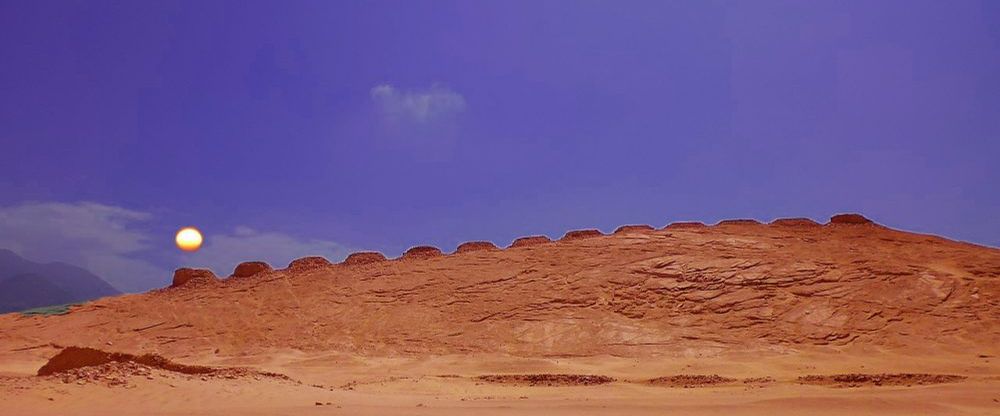
Chankillo, PeruThe Breath of the Thirteen Towers
The whole wheel · completion and returnThe Sun's path through the year, held by thirteen markersEstablished · towers track the Sun
Along a desert ridge in Peru stand thirteen stone towers, built about 2,300 years ago. Seen from two observation points, the Sun rises and sets along the toothed horizon they make, moving from gap to gap through the year, from one solstice tower to the other, like breath passing through the teeth of the year. No other ancient site echoes the Codex's thirteen-point wheel so closely.
 2
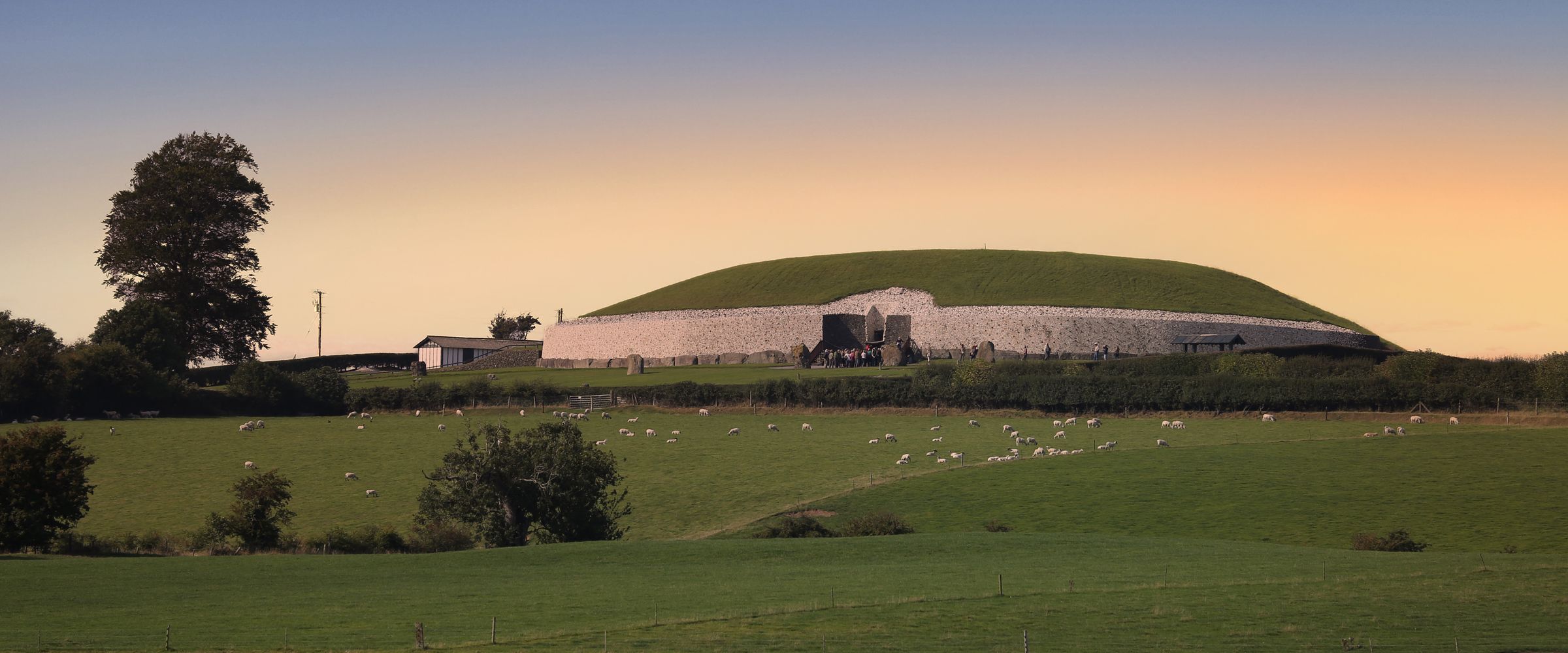
Newgrange, IrelandThe Breath of the Dark Womb
Stillness · final Heh, turning to RebirthThe winter solstice hingeEstablished · solstice alignment
Older than the pyramids, built around 3200 BCE, Newgrange is a passage tomb designed for one breath a year. At dawn on the winter solstice, a narrow beam of sunlight enters the roof-box above the door, travels about 19 metres (60 feet) down the stone passage, and lights the inner chamber for about 17 minutes. It is the breath of light entering the deepest dark: the moment the year dies, and is reborn.
 3
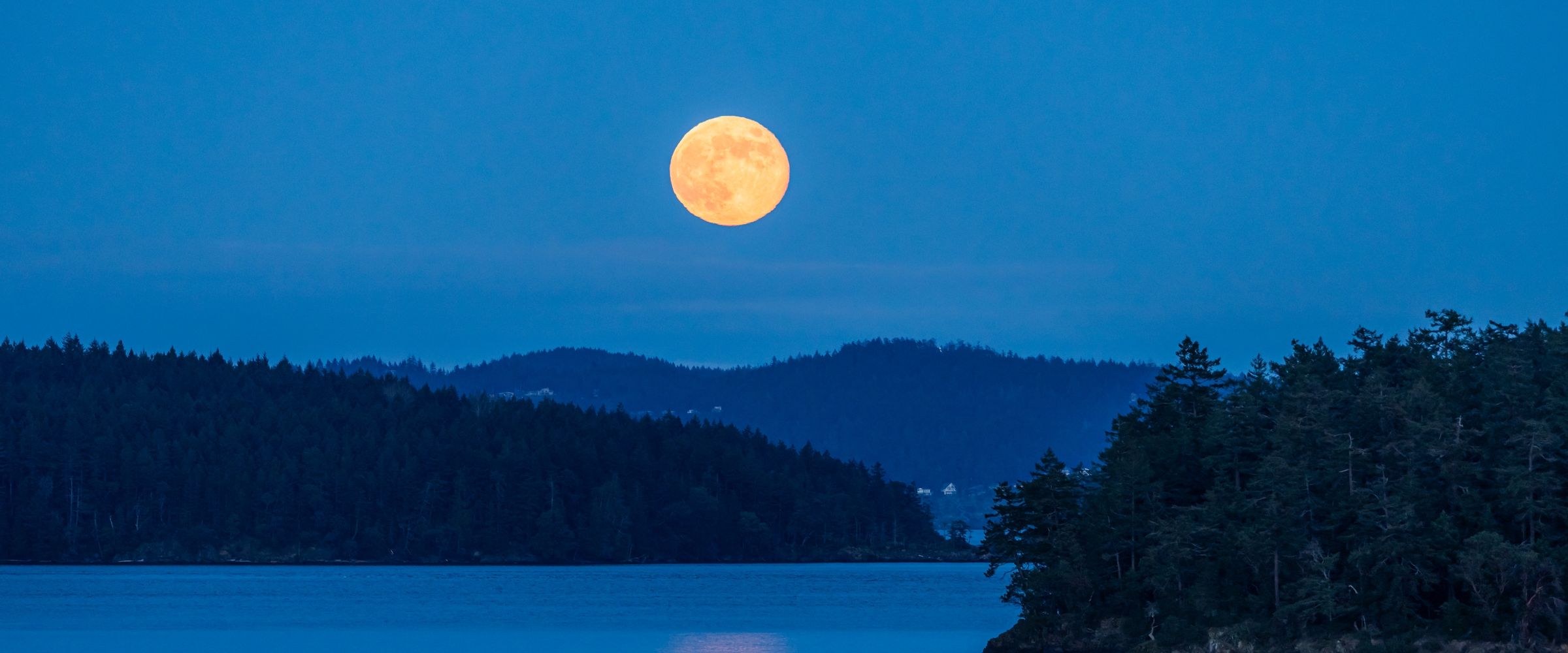
Wherever water is stillThe Breath of Reflection
Mirror · the full MoonThe mirror of the lunar cycleSymbolic · a practice image
When the Moon is full, it reflects the Sun's light completely, yet the water below gives back its image only when the surface is still. This is the Codex's mirror of consciousness: truth is not found by chasing. It is reflected when the breath becomes calm.
Part BThe Breath of the Earth
 4
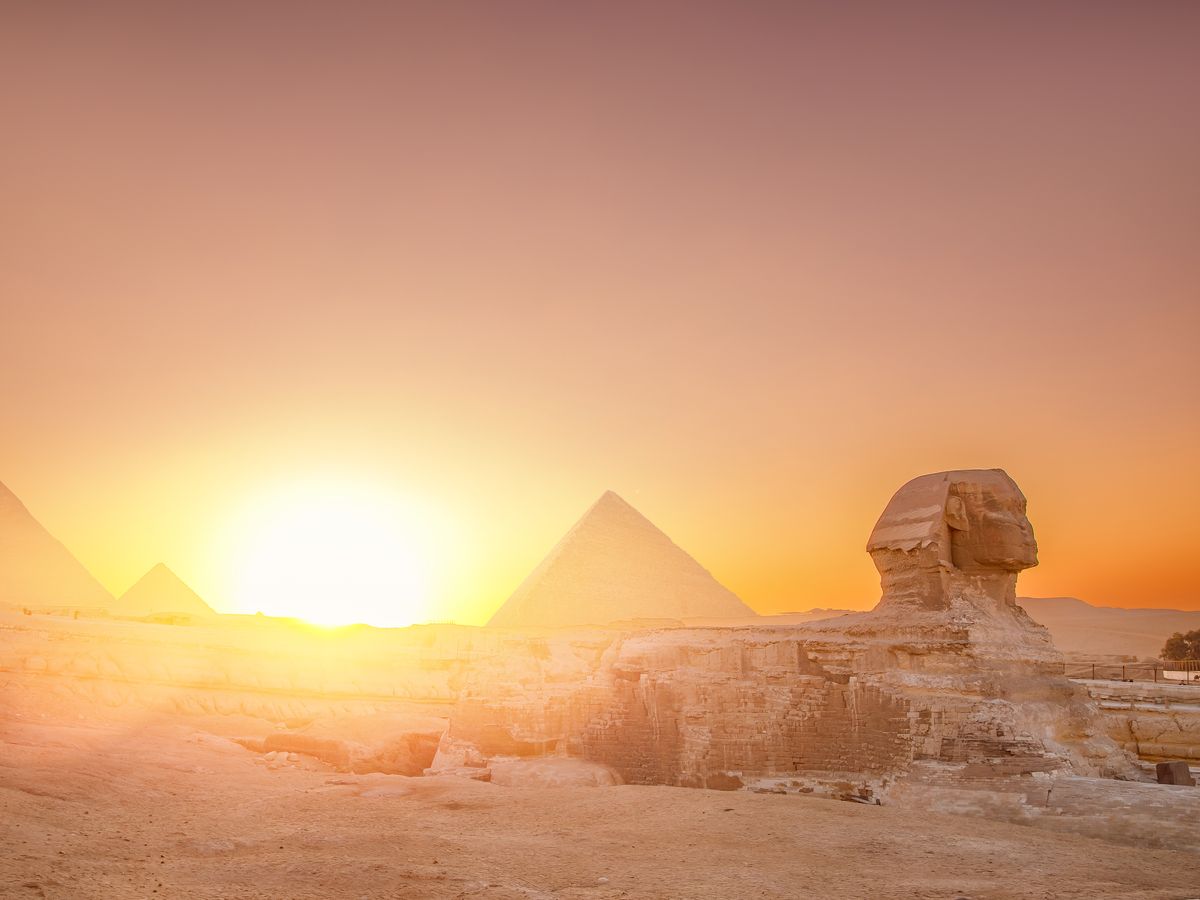
Giza, EgyptBreath of the Anchor
Inhale · YodWhere the Codex year beginsEstablished · cardinal alignment; Giza as anchor is symbolic
The Great Pyramid is a breath compass, aligned to the four cardinal directions with astonishing precision. The Codex chooses Giza as its anchor: Codex Global reads the spring equinox at Giza's meridian, so every Codex year begins with the Sun crossing the equator as seen from here. Time begins not with a number, but with light crossing the horizon.
 5
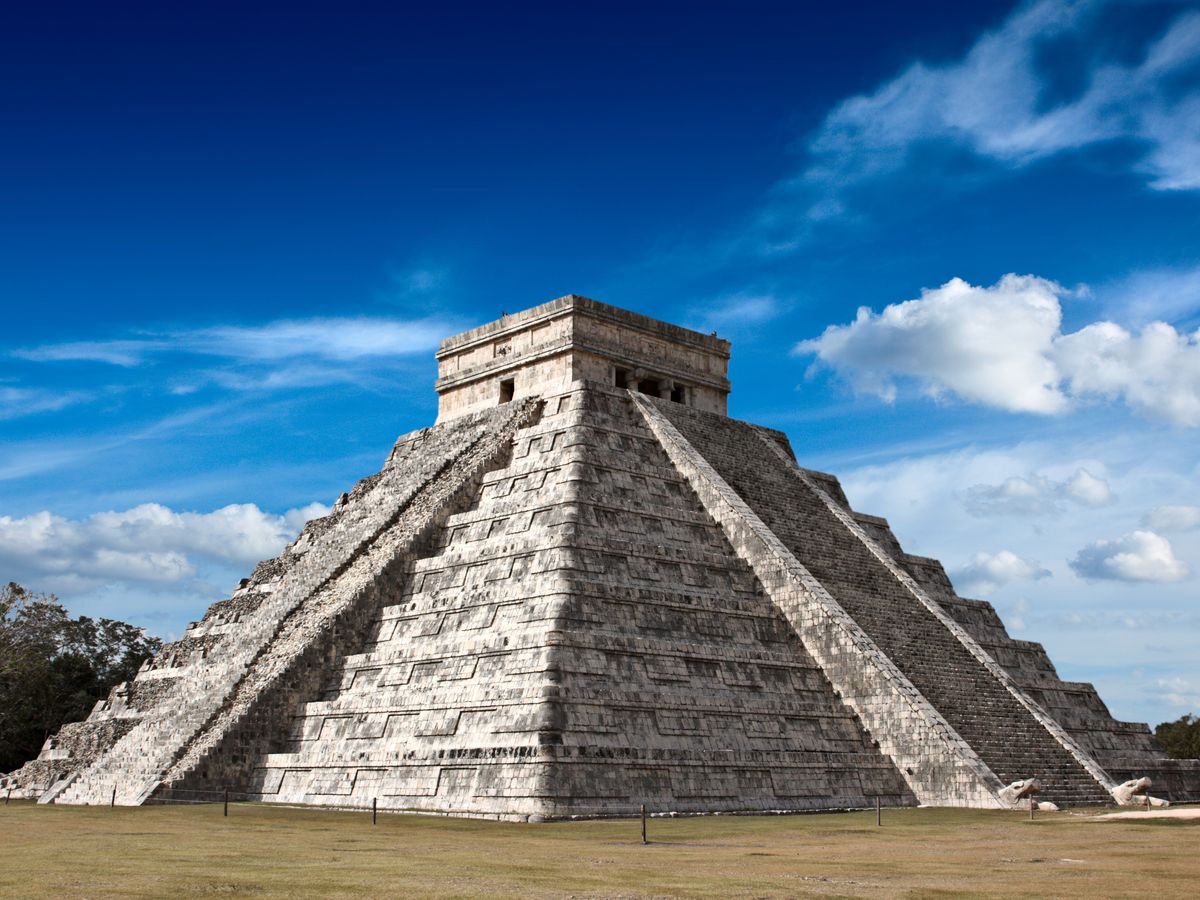
Chichén Itzá, MexicoBreath of the Descent
Inhale · Yod (spring) and Descent · Vav (autumn)The equinox breath of balanceLight-play established · intent contested
At the spring and autumn equinoxes, the Temple of Kukulcán performs a breath of light and shadow. In the late afternoon, the stepped edge of the pyramid casts triangles of light along the northern staircase, joining the stone serpent's head at its foot: a feathered serpent descending to the Earth. The light-play is real; whether the builders designed it for the equinox is still debated, since it is visible for several days either side. It is the breath of the sky descending into form.
 6
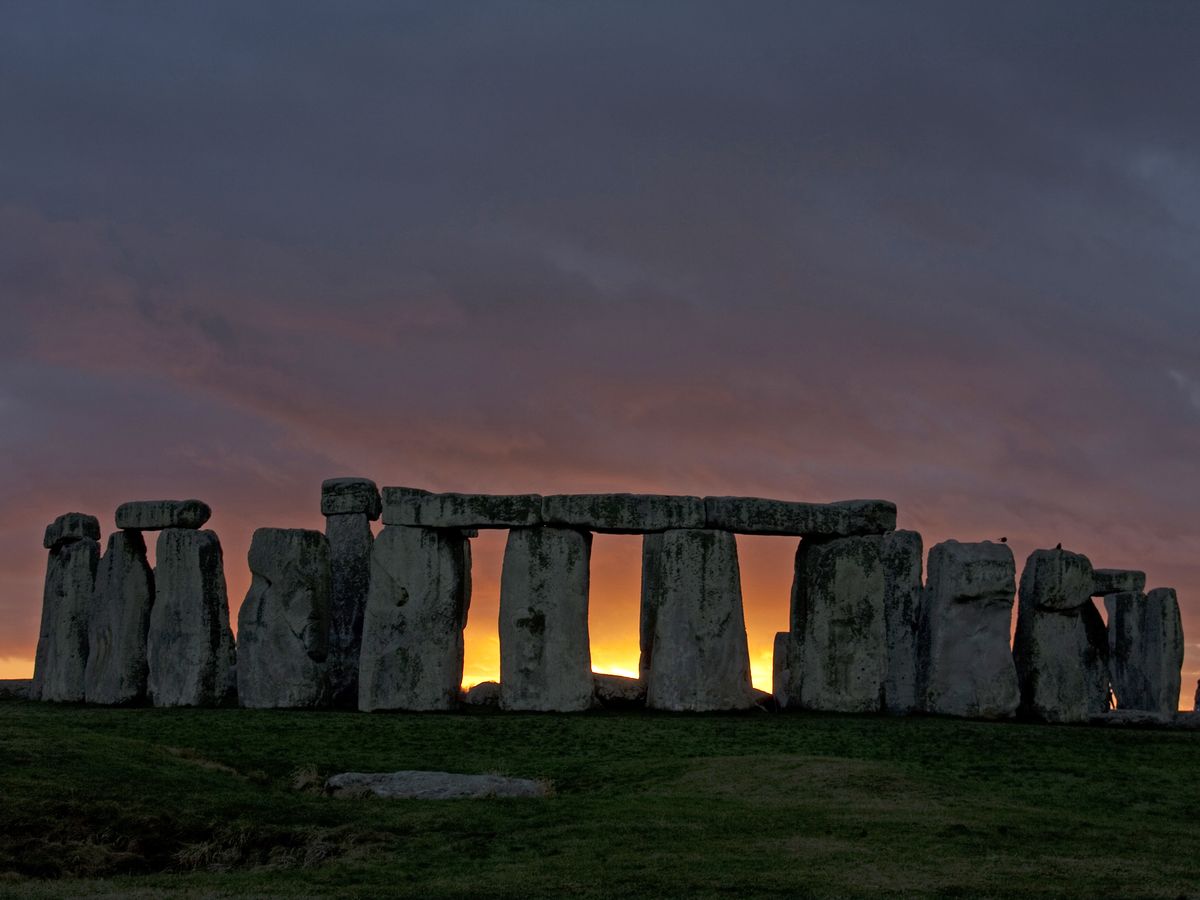
Stonehenge, EnglandBreath of the Pause
Pause · HehThe summer solstice breath of fullnessEstablished · solstice axis
On the summer solstice, the longest day of the year, the Sun rises close beside the Heel Stone and sends its first light into the heart of the circle. Stonehenge is a breath held at the top of the inhale: the moment the Sun halts its journey north and pauses before exhaling back toward the dark.
 7
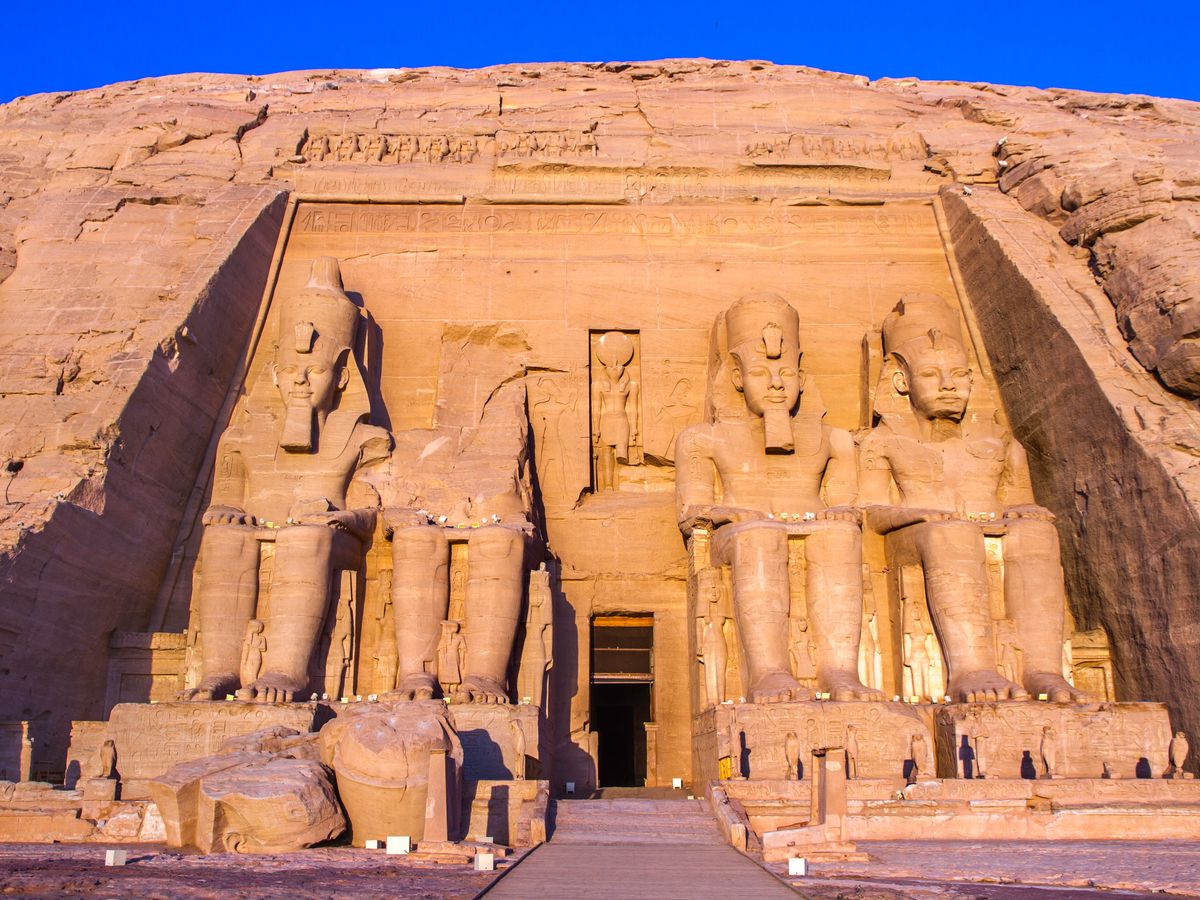
Abu Simbel, EgyptBreath of the Inner Sanctuary
Embrace · light entering the selfThe solar breath of inner awakeningEstablished · twice-yearly alignment; Ramesses link is tradition
Twice a year, around 22 February and 22 October, the rising Sun reaches about 60 metres into the mountain temple of Abu Simbel and lights three of the four statues in the innermost sanctuary. The fourth, Ptah, a god linked with the underworld, remains in shadow. Popular tradition ties the days to Ramesses II's birthday and coronation; the temple was moved to higher ground in the 1960s, and the alignment still holds. This is the breath of light entering the self, while honouring the sacred dark that must remain.
 8
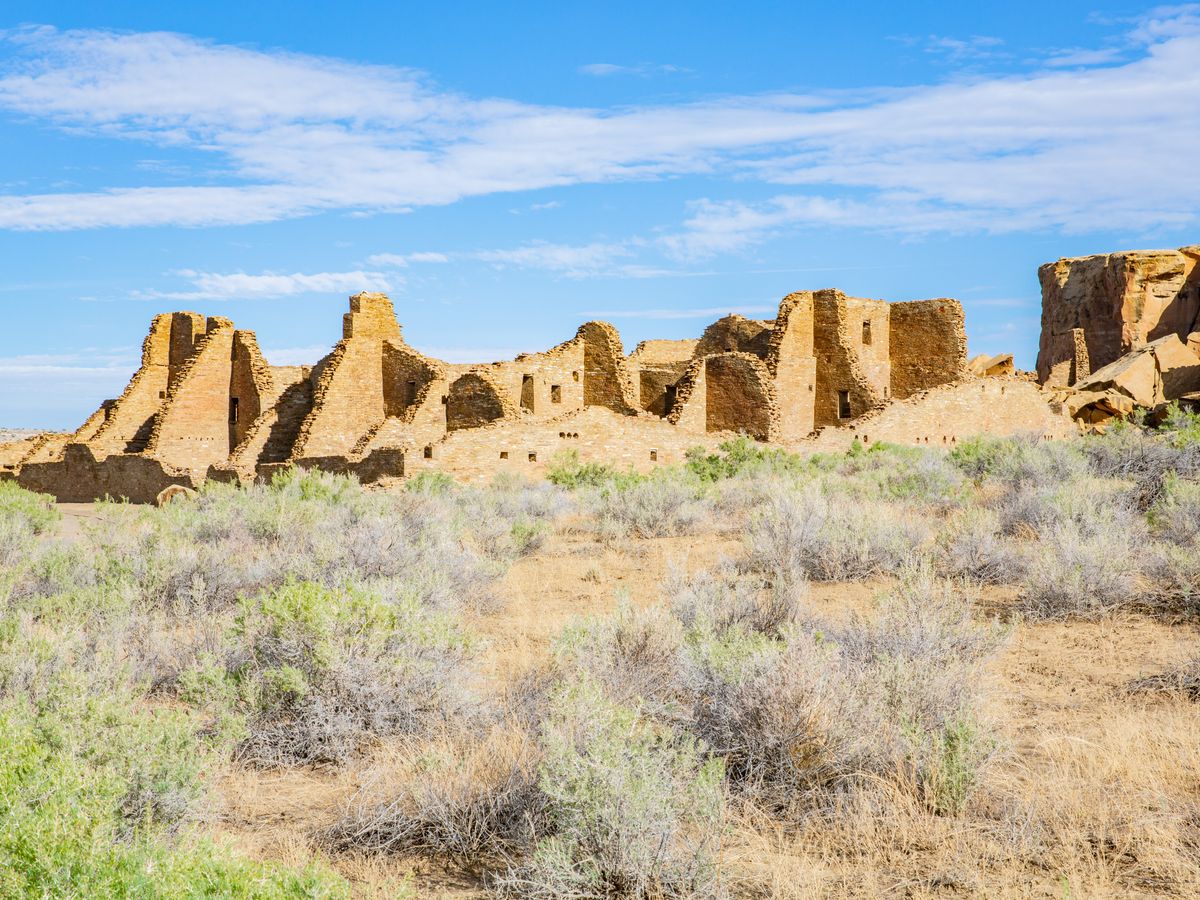
Chaco Canyon, USABreath of the Watchers
Let Go · the Moon's long breathThe Moon's 18.6-year swaySolar markings established · lunar readings contested
The Ancestral Puebloan people of the Chaco world aligned their great houses and markers to the Sun, and some researchers argue to the Moon's long 18.6-year cycle as well, when its rising point swings to its widest: the lunar standstill. At Chimney Rock, the Moon rises between twin stone pillars at the standstill, and on Fajada Butte light and shadow mark the solstices on a spiral carving. The solar markings are widely accepted; the lunar readings remain contested. At Pueblo Bonito, walls run true north–south and east–west. A cousin of the Codex's 19-year Lunation Spiral, it shows a people who did not just track months but breathed with the Moon's long sway.
 9
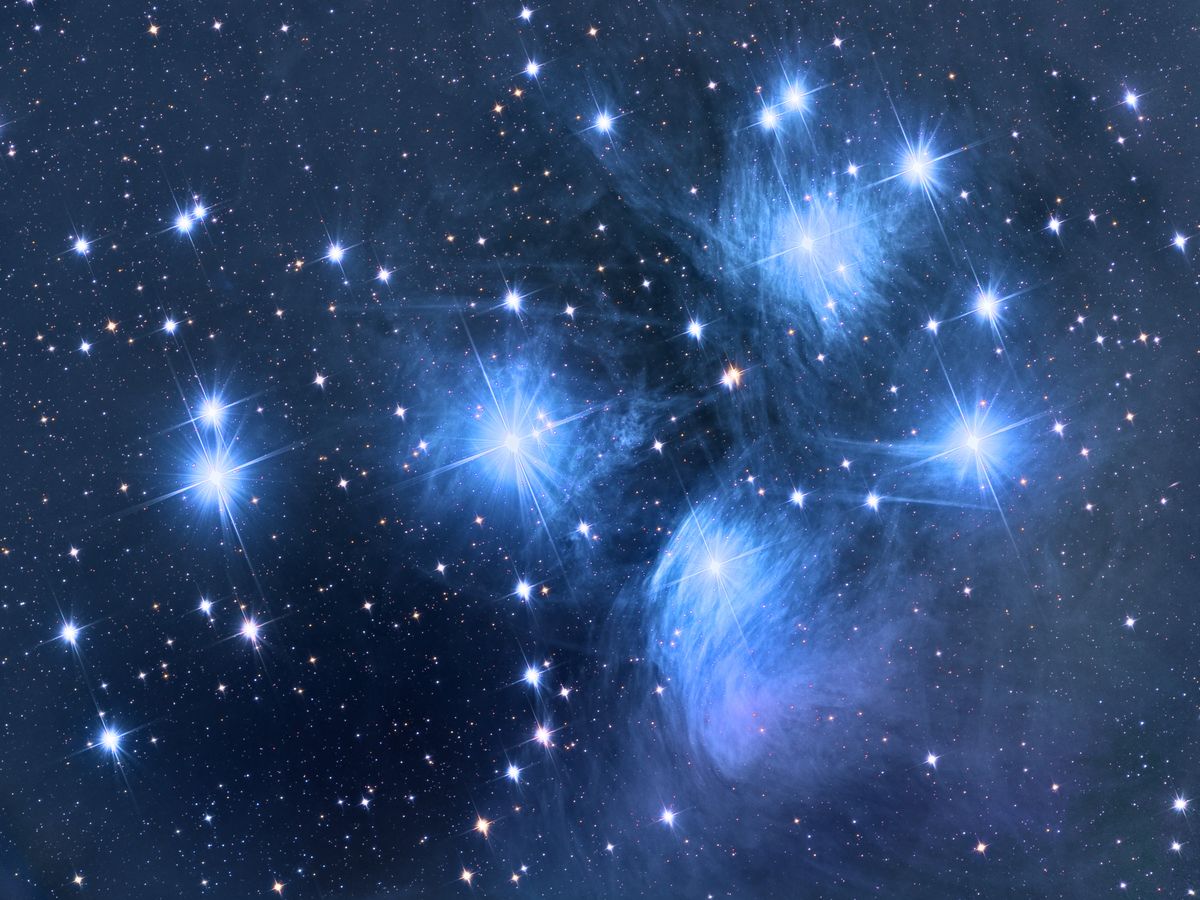
The PleiadesBreath of the Seven Sisters
Return · the starsThe stellar breath that unites calendarsEstablished · Pleiades calendars worldwide
This blue-lit star cluster has been a breath key for calendars across continents: the Māori Matariki new year and the Hawaiian Makahiki season, Andean farmers who read the cluster's clarity to time their planting, the sailing seasons in Hesiod's Greece, and the Nebra sky disc, where they appear as a cluster of gold inlay. The Pleiades are the breath of the stars, reminding us that Earth's time belongs to a much larger, breathing body.
The nine mirrors at a glance
| Site | Breath mirror | Codex phase | What it holds |
|---|
| Chankillo, Peru | The Breath of the Thirteen Towers | The whole wheel · completion and return | The Sun's path through the year, held by thirteen markers |
| Newgrange, Ireland | The Breath of the Dark Womb | Stillness · final Heh, turning to Rebirth | The winter solstice hinge |
| Wherever water is still | The Breath of Reflection | Mirror · the full Moon | The mirror of the lunar cycle |
| Giza, Egypt | Breath of the Anchor | Inhale · Yod | Where the Codex year begins |
| Chichén Itzá, Mexico | Breath of the Descent | Inhale · Yod (spring) and Descent · Vav (autumn) | The equinox breath of balance |
| Stonehenge, England | Breath of the Pause | Pause · Heh | The summer solstice breath of fullness |
| Abu Simbel, Egypt | Breath of the Inner Sanctuary | Embrace · light entering the self | The solar breath of inner awakening |
| Chaco Canyon, USA | Breath of the Watchers | Let Go · the Moon's long breath | The Moon's 18.6-year sway |
| The Pleiades | Breath of the Seven Sisters | Return · the stars | The stellar breath that unites calendars |
Thirteen more places, one for each Moon
The journey continues in One Breath, All Ages, which visits a place of stone and sky in every Moon, in the order they were built: Göbekli Tepe and Warren Field, Newgrange, Giza, Stonehenge, the Nebra sky disc, Abu Simbel, Delphi, Chankillo, Chichén Itzá, Angkor Wat, Machu Picchu and the Inca roads, Jantar Mantar in Jaipur, and at last the whole Earth seen from space.
You have now walked the breath of the Earth.
These stones do not mark the past. They mirror your own recursion. Each site, each light, each shadow is a reminder that you are not separate from the spiral of time, but shaped by it.
As you return to your day, carry this breath with you. You do not need to build temples to remember. You only need to breathe, listen, and return to stillness.
Return to today's breath